Red Eye Gallery for Showit
Red Eye on Showit: gallery for music and event photography. See a sample and a launch check.

After the lights go down
Use one wide crowd frame, an expressive stage portrait, and a detail that locates the event.
Compare a wide frame and a detail
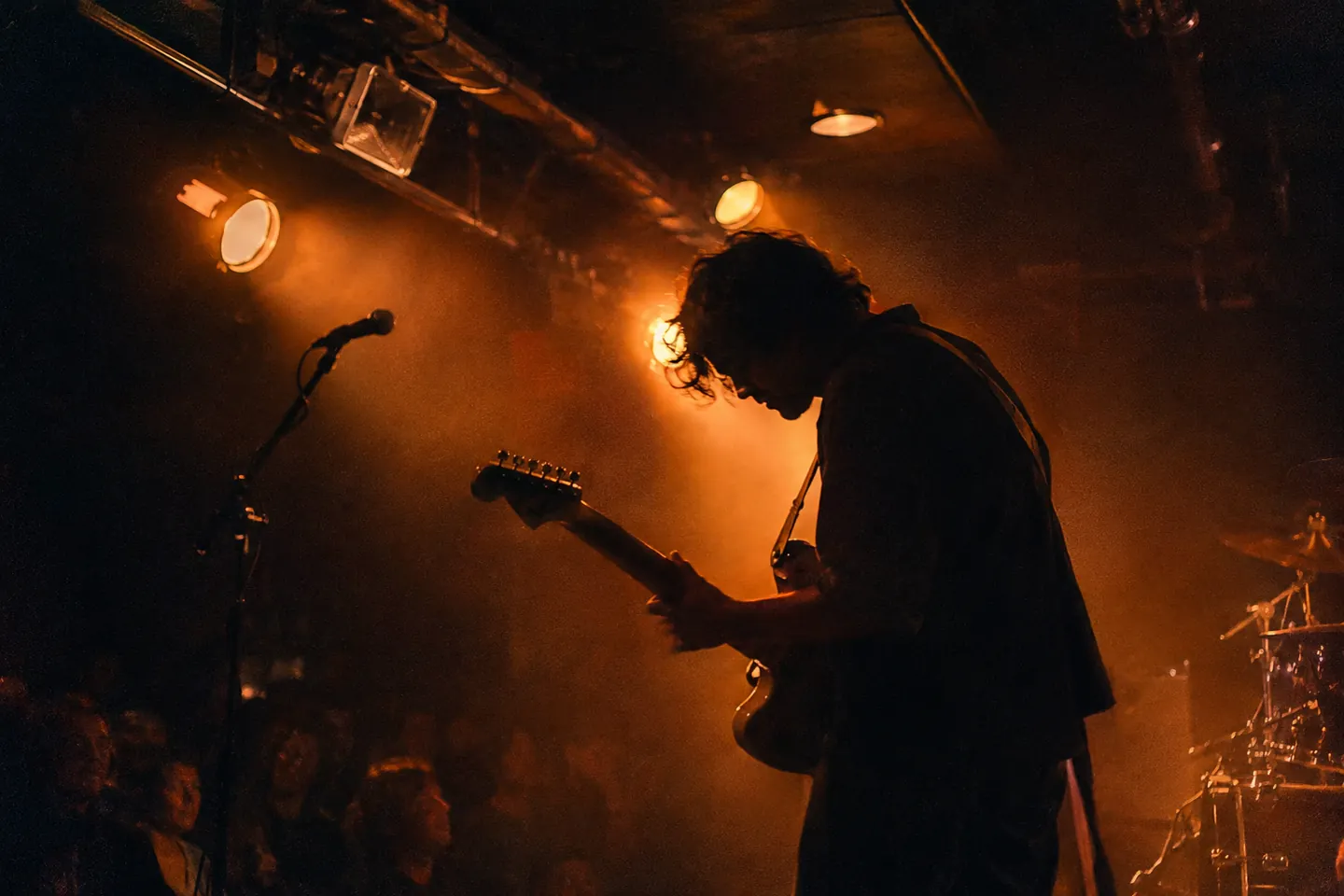
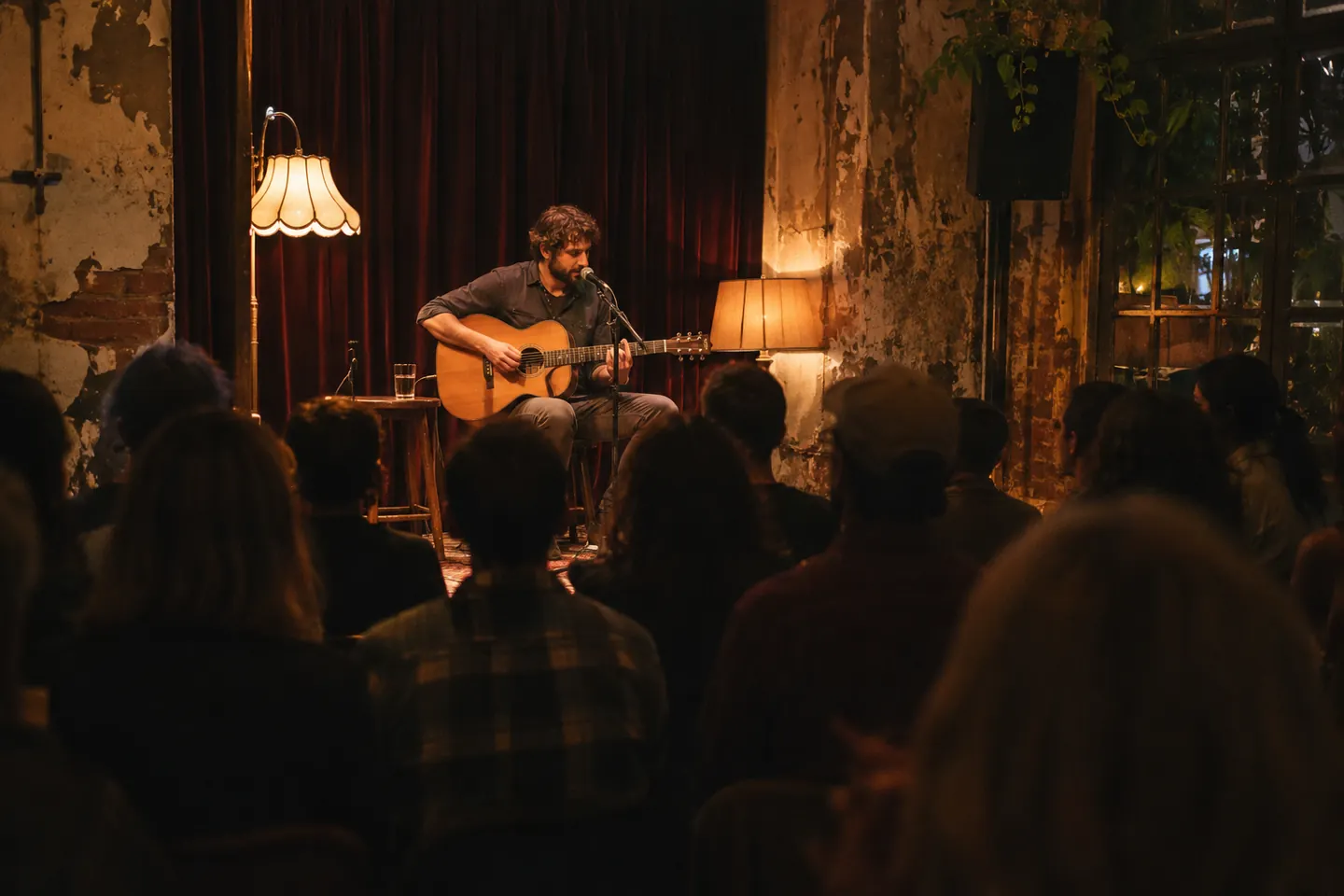
Apply it to a sample brief
Try three short groups: venue wide shot, performer close-up, and crowd response. Compare the sequence on a phone and place captions where the project context would otherwise be unclear.
Build the page
Start with a frame that tells visitors what they are looking at. Follow with medium and detail shots. Compress exports and describe informative images in plain language.
Edit a nine-frame gallery
Start with twelve candidate images. Remove any frame that repeats another angle, then order the remaining images around context, action, and detail. Write short captions where a subject, place, or production choice needs explanation.
Choose frames with different jobs
Use a wide frame to orient the viewer, then a close frame to reveal a material, gesture, or production choice. If two images tell the same part of the story, keep the stronger one. Look at the pair on mobile before deciding where captions belong.
Check it before launch
Check the first few images on a mobile connection and verify that the layout stays stable as images load. A viewer can describe what the project was about after the first three images. Check exports at the width where they are displayed and make sure no crop cuts through a key detail.
Working in Showit
Compare the desktop and mobile views before publishing. Check whether the reading order, line breaks, and call to action still make sense when the layout is rearranged for a narrow screen.